01
Customer apps
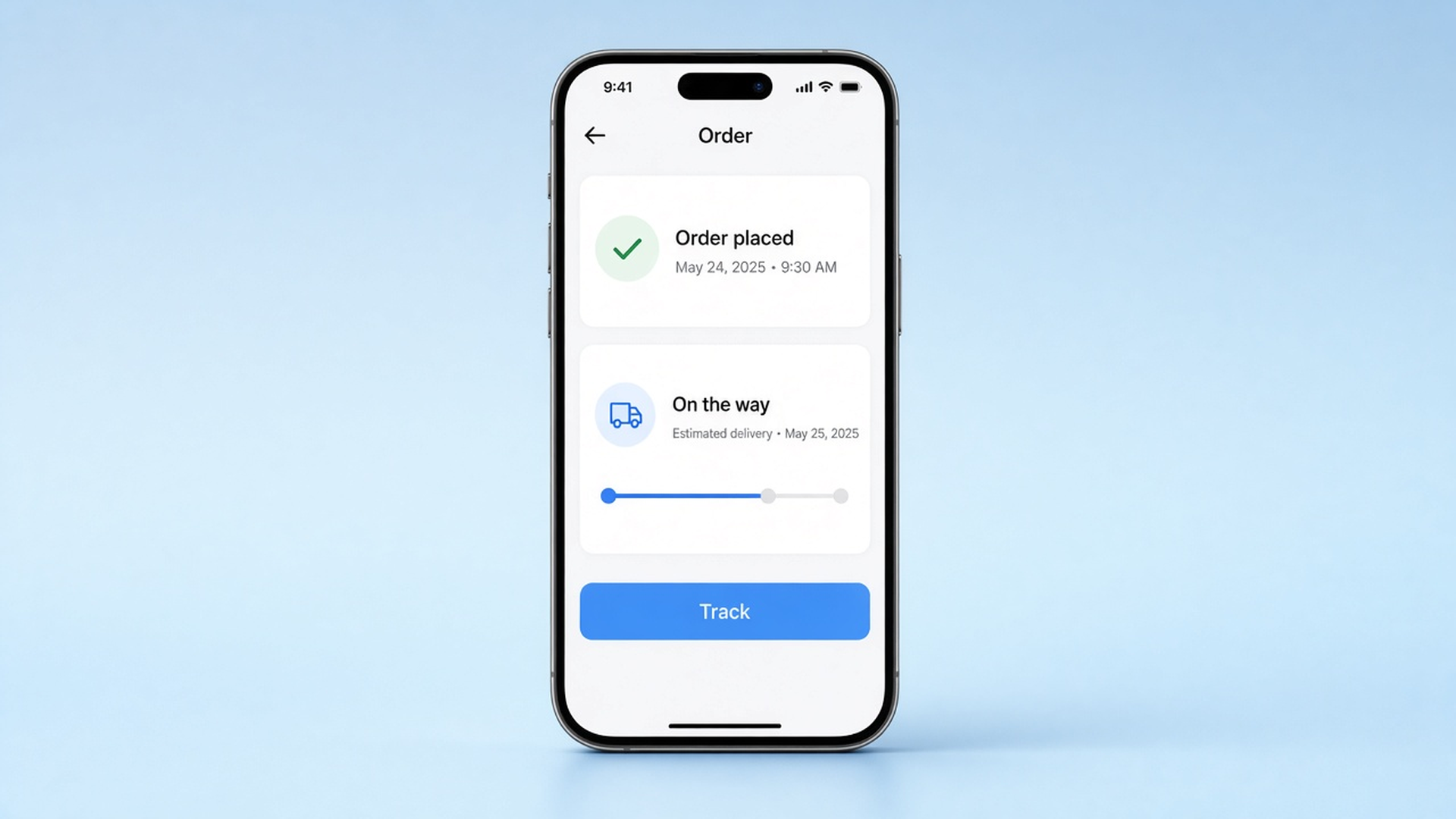
The offer, the order, and the status, in the hand.
Mobile applications
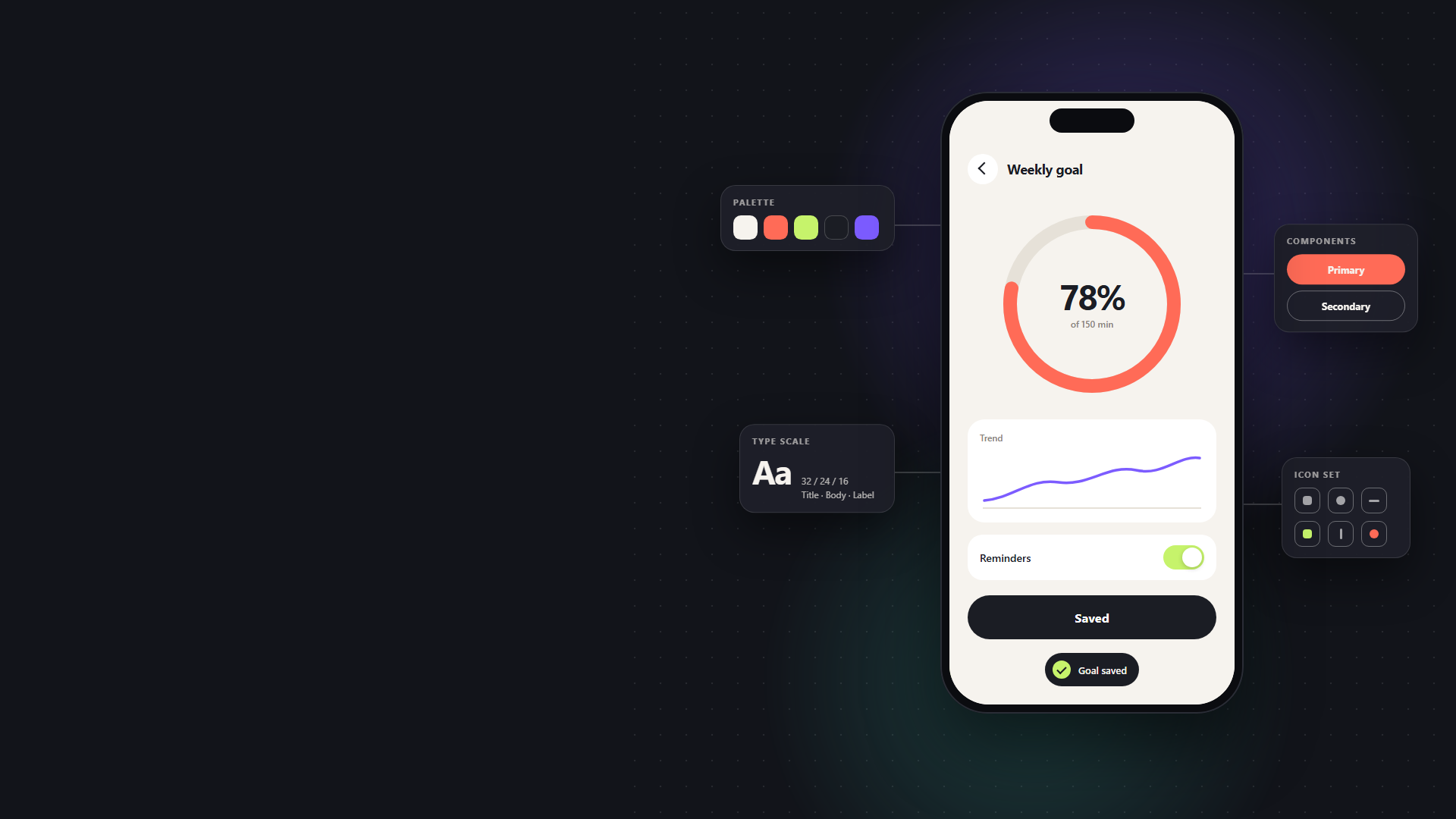
Some of your customers, and some of your team, will never open a laptop for this. The app has to carry the job on its own.
The offering
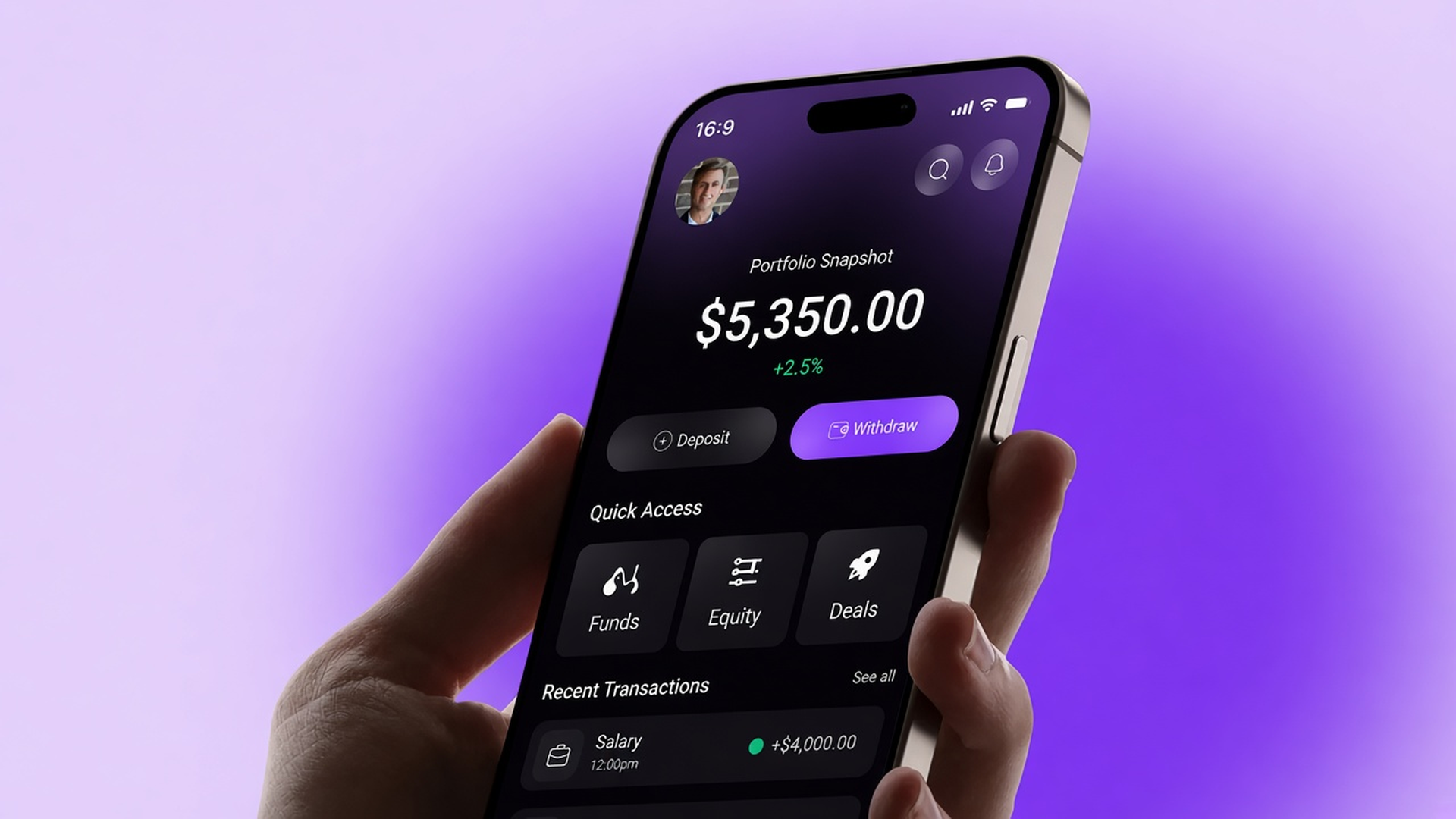
We design the task for a thumb and a short moment of attention, then connect it to the same records the rest of the business uses.
How we work
Who is holding the phone, what they need done, and what can wait until they are at a desk.
The smallest set of screens that completes that job.
The app and its connection to the systems behind it, reviewed in the hand.
A release is the start of real use, not the end of the work.
In the hand
Customers and staff see the same products, orders, and status. The phone is not a second, thinner copy that drifts out of date.
Before it is built
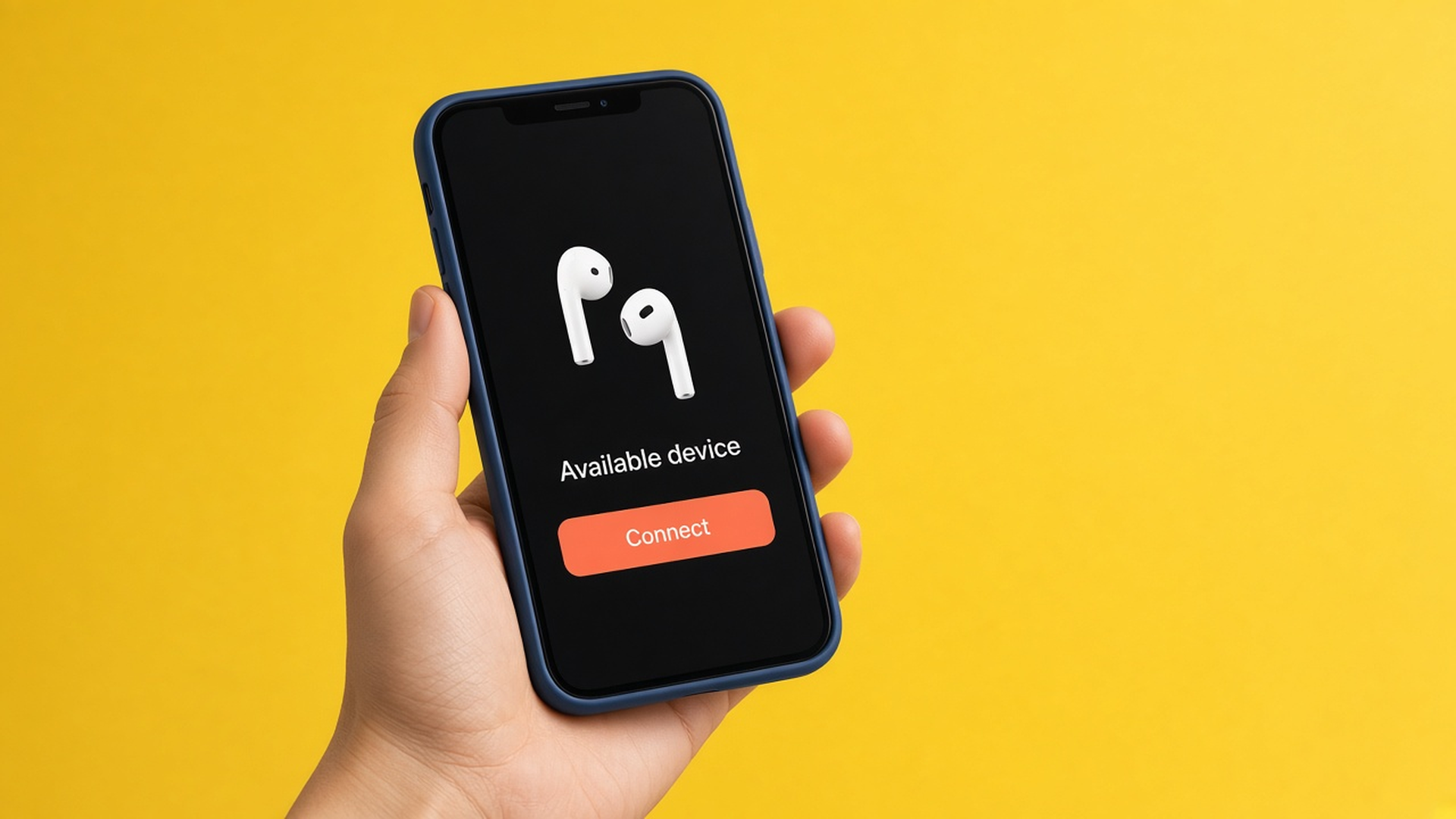
We sketch the path, test it against the real job, and only then build. Fewer screens. Fewer surprises on the first week of use.
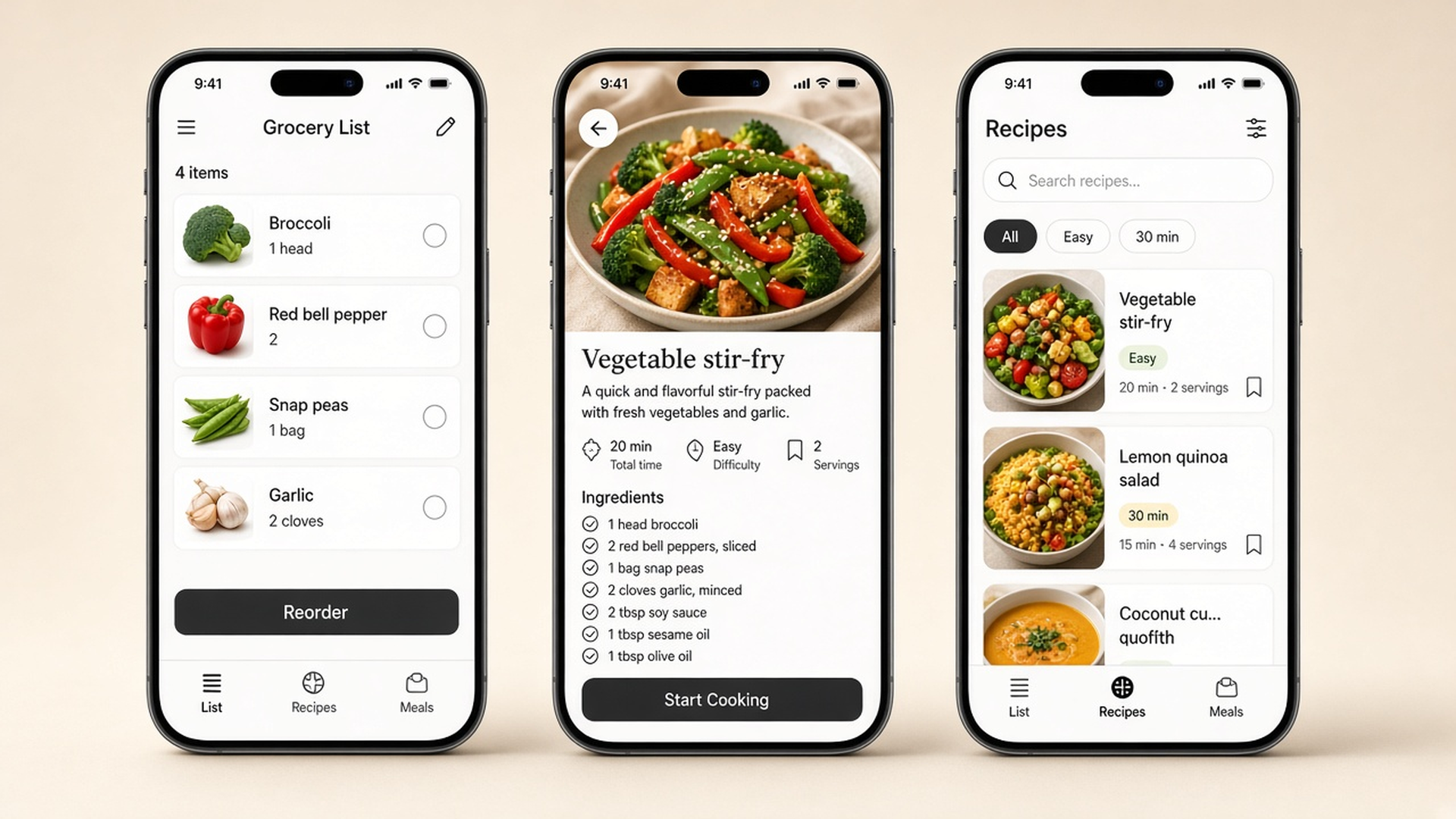
What we build
The offer, the order, and the status, in the hand.
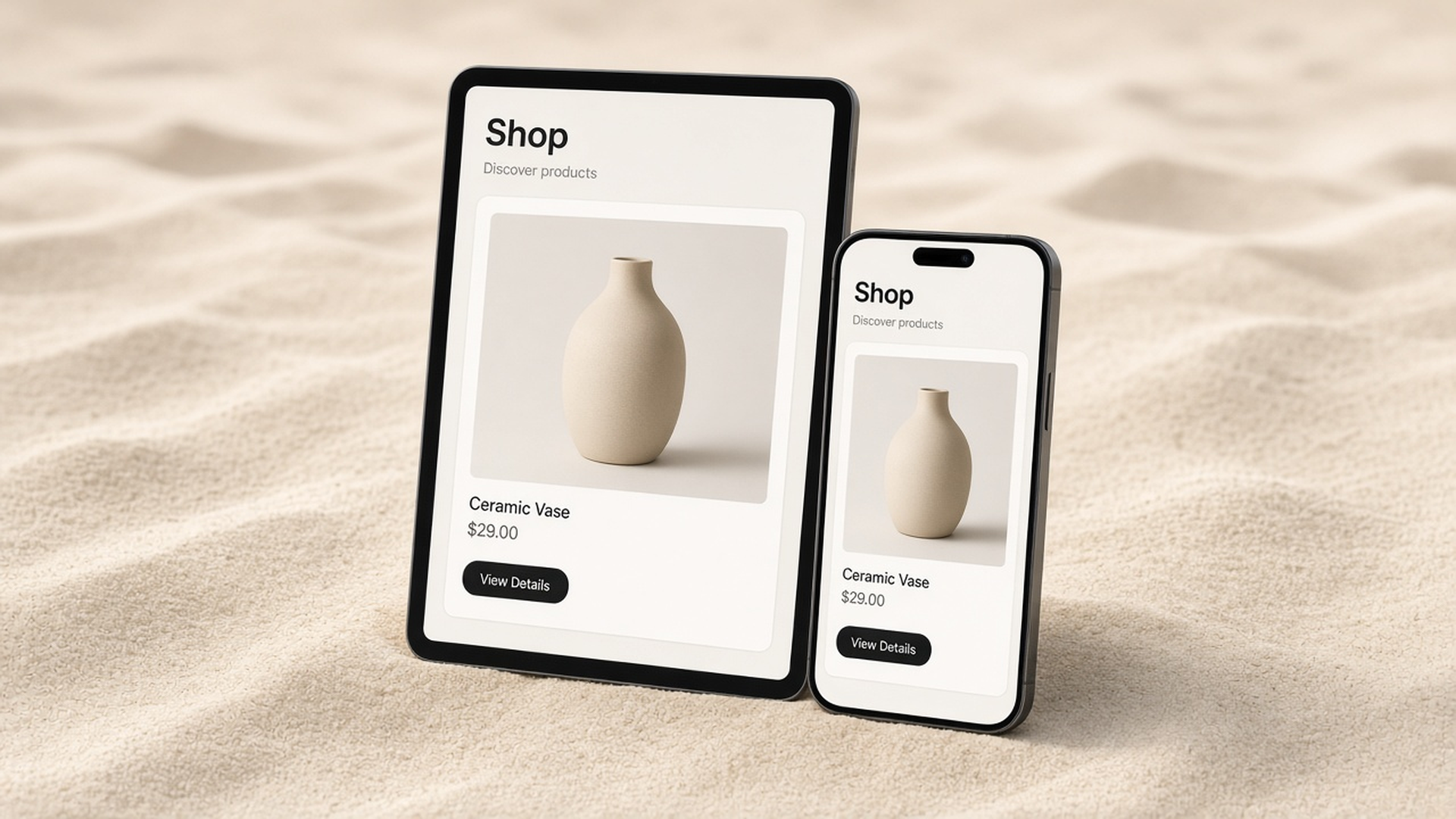
Phone, tablet, and the desk view kept in agreement.
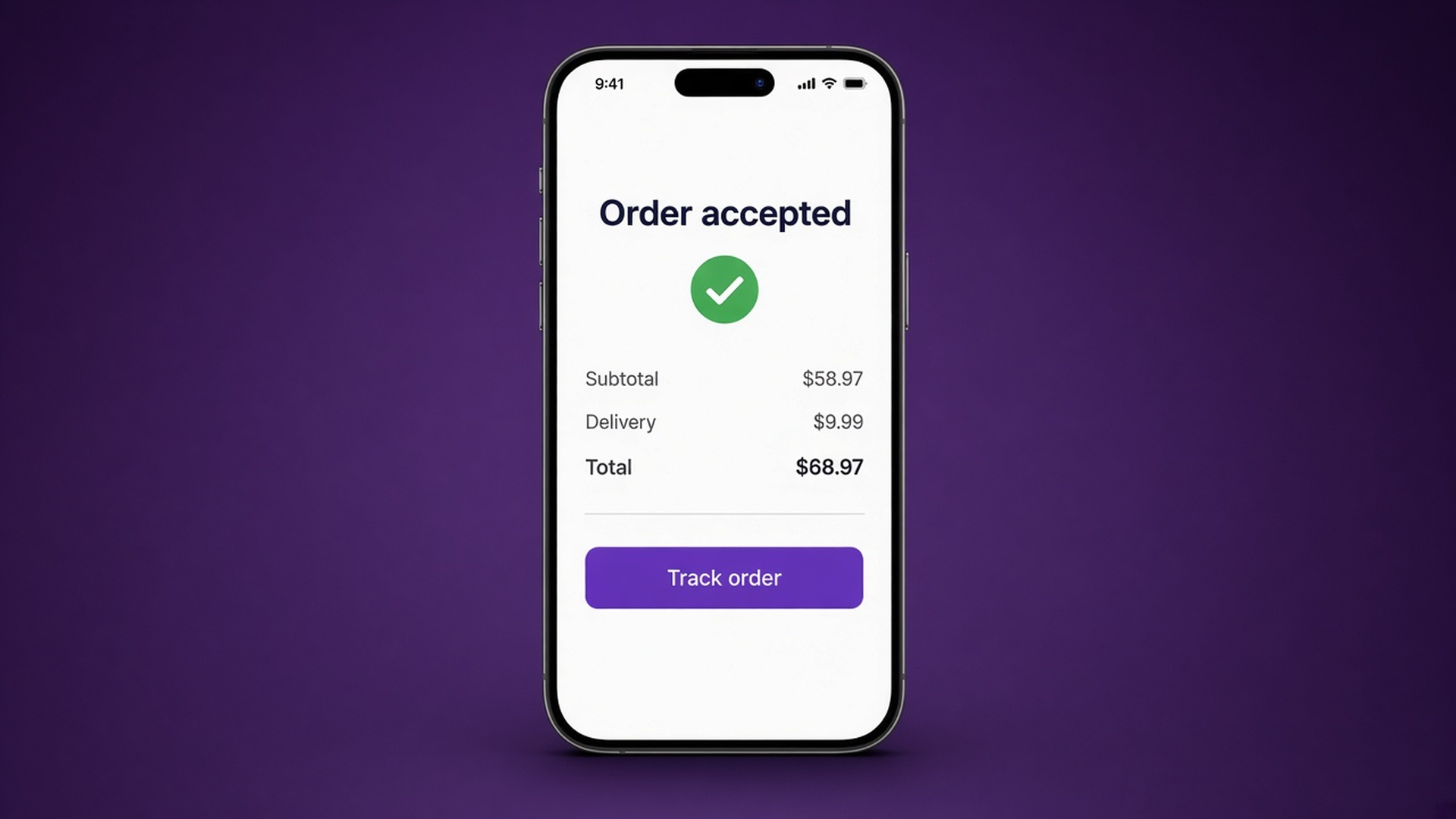
Browsing and buying without sending someone back to a laptop.
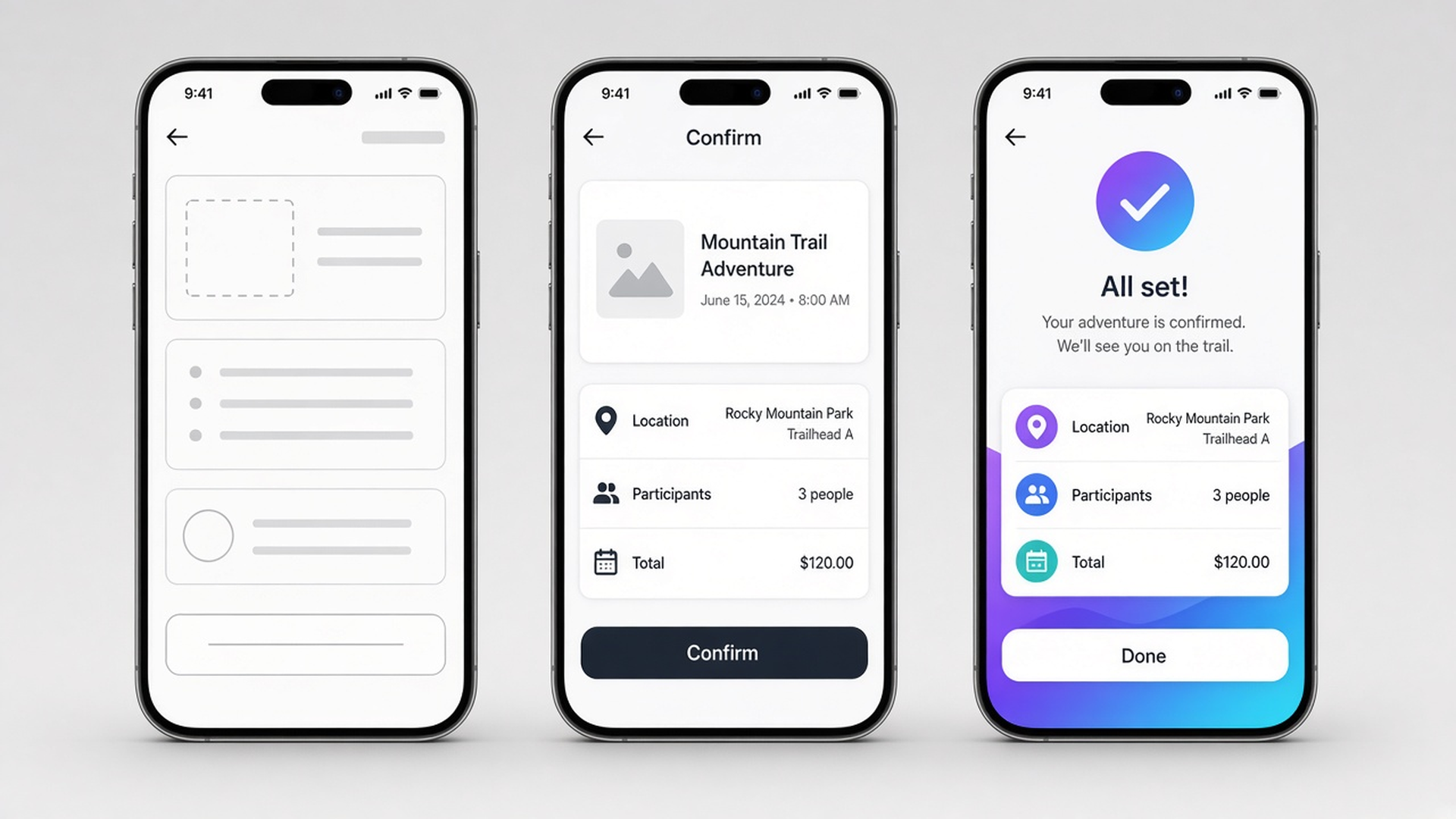
Screens planned around the task, not around a feature list.
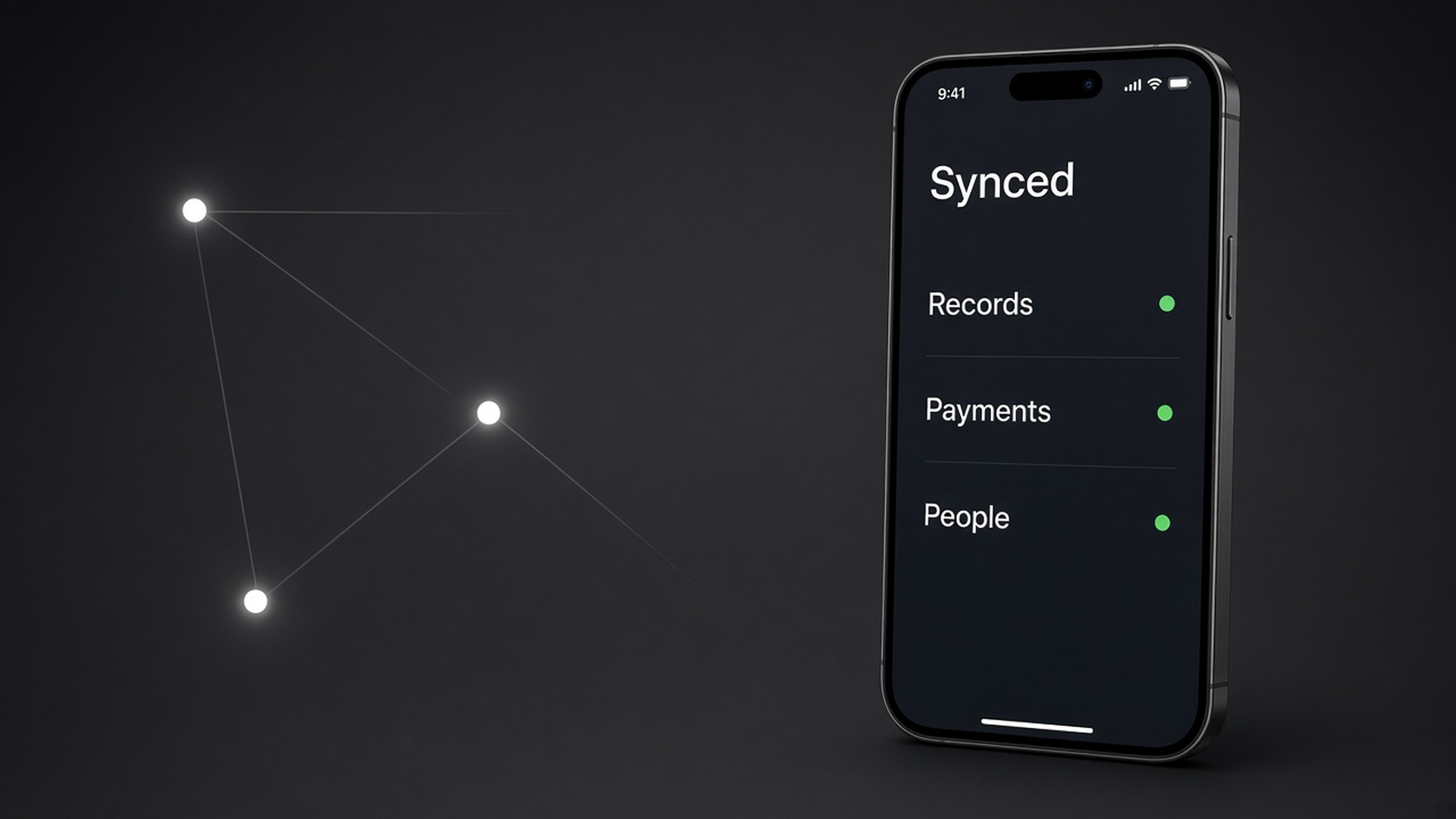
The app talks to the systems that already hold the record.
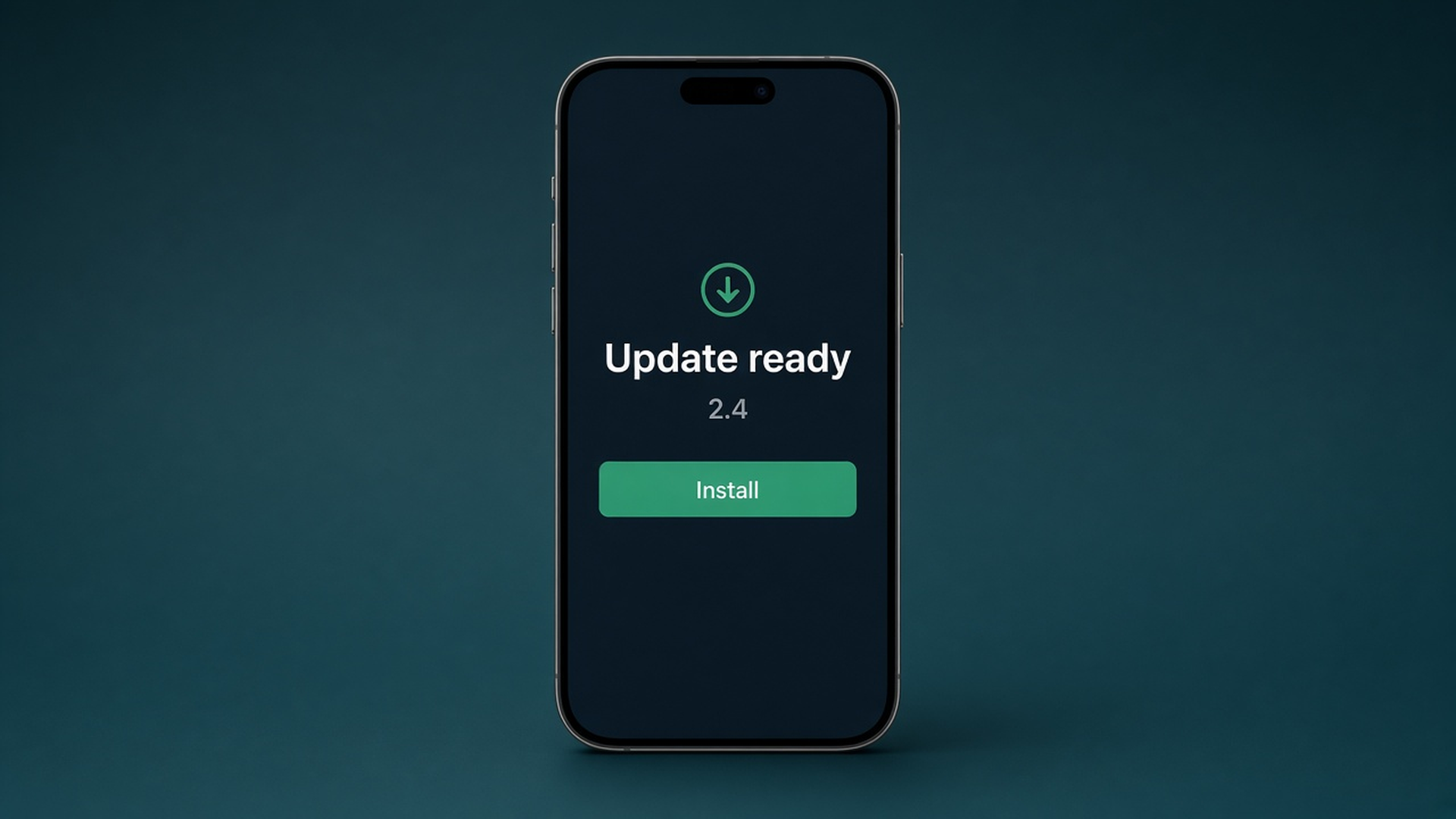
Updates, monitoring, and someone to call when the store listing is live.
Why Inovitrix
We do not treat the phone as a later project. The task, the design, and the connection to the rest of the business are scoped together, and we stay after release.
Get in Touch
What changes
Someone can do the job in the place the job actually happens.
What happens on the phone shows up for the team at the desk.
The first version is supported, not abandoned at the store listing.
Start a project